
What is Neuroplasticity?
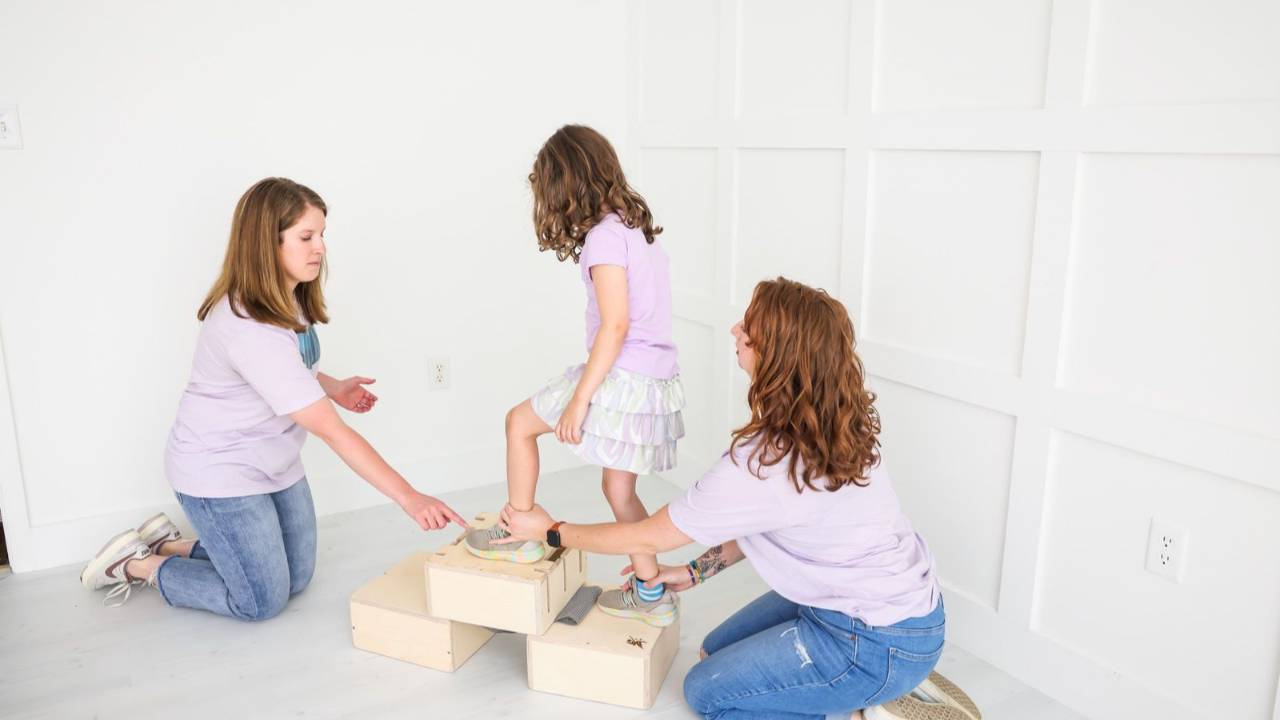
Neuroplasticity: How Your Child's Brain Learns, Adapts, and Grows Through Therapy
Have you ever wondered why your child's therapist repeats certain activities, practices the same movement in different ways, or encourages them to try something just a little outside their comfort zone?
There is a reason behind that repetition and intentional practice: neuroplasticity.
Neuroplasticity is the brain's ability to change, adapt, and develop new connections in response to experiences and learning. In pediatric therapy, this means that the activities your child participates in today can help support the skills they are working toward tomorrow.
Whether your child is receiving physical therapy, occupational therapy, or participating in an intensive therapy program, neuroplasticity is an important key to how learning and development happen.
Let's take a closer look at what it means and how it can influence your child's therapy journey.
So What Is Neuroplasticity?
Neuroplasticity is the experience-dependent reorganization of neural networks. In parent-friendly terms, it means the brain can strengthen existing connections, develop new connections, and adjust how it communicates based on what we do and experience.
Think of the brain as a network of roads. When a child practices a skill, the brain is working to create and strengthen the pathways needed for that skill. With meaningful and repeated practice, those pathways can become more efficient.
This does not mean that every skill develops immediately or that practice guarantees a specific outcome. Children develop at different rates, and progress depends on many factors. But it does mean that the brain has this amazing capacity to learn and adapt and therapy can help create opportunities for that learning to occur.
Repetition Helps Build Skills
One of the most familiar principles of neuroplasticity is that practice matters.
When a child practices a movement, activity, or skill repeatedly, the brain has more opportunities to strengthen the connections involved. Over time, a skill that once required significant effort may become more familiar and automatic.
In PT, this might look like:
- Practicing transitions from sitting to standing.
- Repeating weight-shifting activities to support balance.
- Working on stepping, reaching, or navigating different surfaces.
- Practicing functional movements that support mobility and independence.
In OT, repetition might involve:
- Practicing grasping and releasing objects.
- Repeating fine motor activities that support coordination.
- Working on dressing, feeding, or other daily living skills.
- Practicing handwriting, cutting, or manipulating classroom materials.
The goal is not simply to repeat an activity as many times as possible. The goal is purposeful practice that helps the brain learn a skill in a way that is meaningful to the child.
Meaningful Experiences Make Learning More Powerful
Not all practice feels the same to a child. Activities that are meaningful, motivating, or connected to something they care about can encourage greater attention and engagement.
This is where PLAY comes into practice. For example, a child may be more motivated to practice standing if it helps them reach a favorite toy, participate in a game, or interact with a family member. A child may be more engaged in a fine motor activity when it involves a favorite character, sensory experience, or real-life goal.
When therapy connects to what matters to a child, it can help make learning more purposeful.
At MTW, we believe therapy should be about more than completing an exercise. It should connect to the child's interests and goals while also having fun!
Sensory Input and Movement Work Together
Our brains are constantly receiving information from the body and the environment. We use sensory information to understand where our body is, how we are moving, and how to respond to what is happening around us.
This is one reason sensory-motor coupling is important in pediatric therapy.
Sensory-motor coupling is the relationship between sensory input and movement. When a child receives sensory information and responds through movement, the brain is practicing how to process that information and coordinate an appropriate response.
For example:
- A child feels their feet against the floor while practicing balance.
- A child uses visual information to reach for a toy.
- A child receives proprioceptive input while pushing, pulling, or climbing.
- A child uses vestibular input during movement activities while learning to adjust their body position.
In PT and OT, therapists may intentionally combine sensory experiences with movement to support coordination, body awareness, regulation, balance, and functional participation.
This is especially important when a child is learning how to use sensory information to successfully participate in play, school, self-care, and everyday routines.
Attention and Engagement Matter
For learning to happen, a child needs opportunities to attend to and engage with an experience.
Attention and engagement help the brain take in information, practice a response, and build familiarity with a skill.
This does not mean a child must sit perfectly still or maintain adult-directed attention for an entire session. Children learn in different ways, and engagement can look different depending on their age, developmental level, sensory needs, and interests.
A therapist may support engagement by:
- Incorporating movement into activities.
- Using motivating toys, songs or games.
- Following the child's interests.
- Adjusting the environment to support participation.
- Offering appropriate challenges without overwhelming the child.
- Making activities playful and functional.
When a child is actively involved in the learning process, therapy becomes an opportunity to build skills through meaningful participation—not simply through passive instruction.
What About Intensives?
Intensive therapy programs often involve more frequent or concentrated therapy sessions over a specific period of time. Depending on the child's needs and goals, an intensive may include PT, OT, specialized techniques, home activities, or a combination of approaches.
Neuroplasticity helps explain why focused, purposeful practice may be a valuable part of an intensive program.
During an intensive, a child may have more opportunities to:
- Practice a specific functional skill.
- Repeat movements in a variety of ways.
- Build familiarity and confidence with a task.
- Work toward a targeted goal.
- Receive consistent feedback and support.
- Help caregivers learn strategies to continue practicing at home.
At MTW, intensive therapy is individualized to the child. The goal is not simply to do more therapy, but to use a concentrated period of care to work toward meaningful goals while considering the child's tolerance, needs, and overall well-being.
Supporting the Whole Child
Neuroplasticity reminds us that the brain is constantly learning from the experiences we provide. In pediatric therapy, this reinforces the importance of creating opportunities for children to practice, explore, engage, and build confidence.
At Milestones Therapy + Wellness, we believe therapy should be individualized, purposeful, and centered around the whole child. Whether your child is working on mobility, fine motor skills, sensory processing, feeding, developmental milestones, or functional independence, our goal is to help them build skills that support participation in everyday life.
Small moments of practice can become meaningful steps toward bigger goals.
If you have questions about your child's development or would like to learn more about how PT, OT or intensive therapy may support your child, we would love to connect with you.
Reach out to our team to learn more or schedule an appointment.
Want to stay updated?