
Why Grip Strength Matters More Than You Think
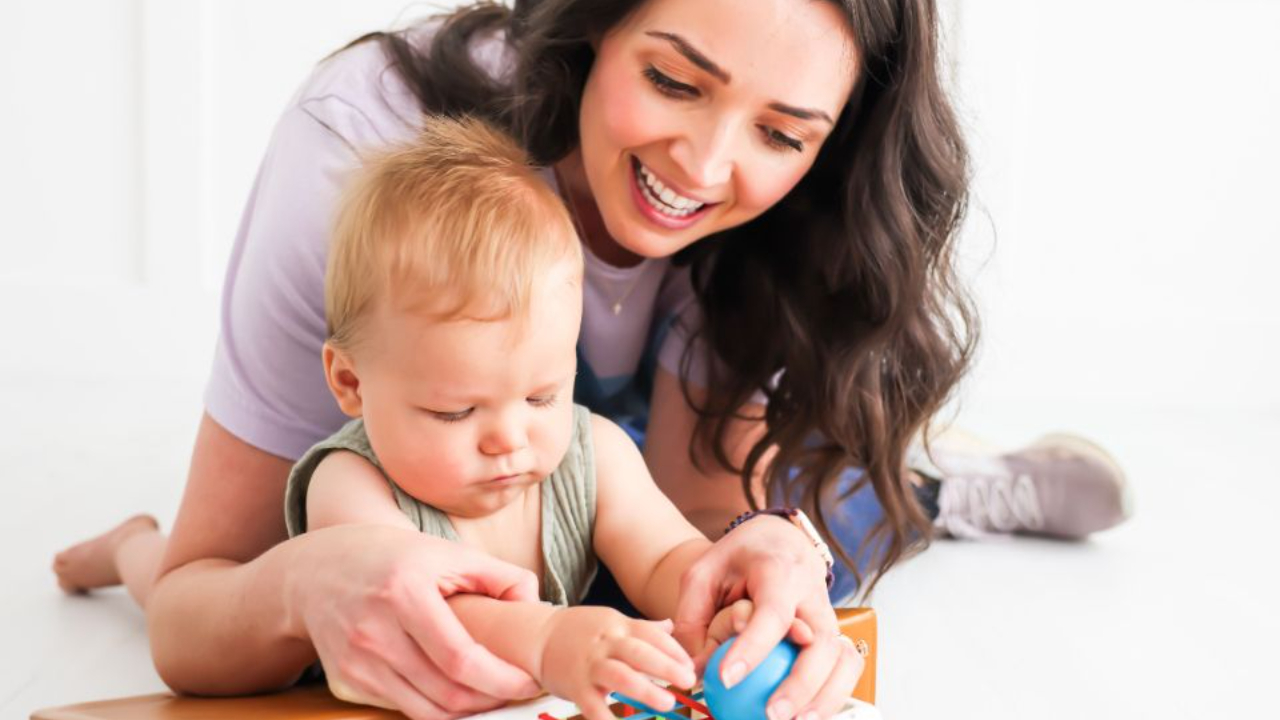
Understanding Grasp Development in Babies and Young Children
When people think about hand strength, they often picture older kids learning to write or use scissors. But strong hands start developing MUCH earlier than that.
From picking up Cheerios to stacking blocks and coloring pictures, grip strength plays a huge role in your child's ability to explore, learn, and become independent.
Let's take a closer look at why grasp development matters and how you can support strong little hands as your child grows.
What Is Grasp Development?
Grasp development is the process of learning how to use the hands and fingers efficiently. Babies are born with a reflexive grasp, but over time they develop more controlled and purposeful hand movements.
As children grow, their grasp patterns become more refined:
- Grasping toys with their whole hand
- Picking up small objects with their fingers
- Holding crayons and markers
- Using utensils
- Buttoning clothes and managing zippers
Each stage builds on the one before it, creating the foundation for everyday skills throughout childhood.
Why Grip Strength Is More Than Just Strong Hands
Grip strength isn't only about squeezing hard. It's about developing the stability, coordination, and endurance needed for daily activities.
Here's what healthy grasp development supports:
Fine Motor Skills
Strong hands help children manipulate small objects, complete puzzles, build with blocks, and manage self-care tasks like dressing and feeding themselves.
Handwriting Readiness
Before children can learn to write, they need enough hand and finger strength to hold a pencil, control movements, and avoid fatigue.
Independence
Tasks like opening containers, brushing teeth, using utensils, and fastening clothing all require hand strength and coordination.
Coordination and Dexterity
Grasp development helps children learn how to use both hands together, coordinate finger movements, and complete more complex tasks as they grow.
Play and Exploration
Strong, coordinated hands allow children to interact with their environment, supporting learning, creativity, and confidence.
What If My Child Seems to Have Weak Hands?
Some children naturally need more support developing hand strength and coordination.
Signs that may indicate difficulty with grasp development include:
- Avoiding coloring, crafts, or fine motor activities
- Frequently switching hands during tasks
- Difficulty using utensils
- Trouble manipulating small toys or puzzle pieces
- Fatigue during coloring or writing activities
- An immature pencil grasp that isn't improving over time
- Frustration with buttons, zippers, or dressing tasks
These challenges don't necessarily mean something is wrong, but they may indicate that your child could benefit from extra support to build strength and coordination.
Fun Ways to Build Grip Strength at Home
The good news is that hand strength can be developed through play.
Try these simple activities:
Play Dough Power
Rolling, squeezing, pinching, and pulling play dough strengthens the small muscles of the hands and fingers.
Spray Bottles
Filling a spray bottle with water and spraying targets outside is a fun way to build finger and hand strength.
Clothespin Games
Have your child clip clothespins onto a box, basket, or piece of cardboard.
Building Blocks
LEGO's, magnetic tiles, and other construction toys encourage hand strength, coordination, and precision.
Tongs and Tweezers
Use child-sized tongs or tweezers to pick up pom-poms, cotton balls, or small toys during play.
Arts and Crafts
Cutting, coloring, painting, and tearing paper all help strengthen the muscles needed for future handwriting and self-care skills.
Don't Forget the Connection Between Gross Motor Skills and Hand Strength
When parents think about building grip strength, they often focus on activities that use the hands directly. But some of the best ways to develop strong hands actually involve the whole body.
Before children can use their hands efficiently for coloring, writing, cutting, and self-care tasks, they need a stable foundation through their shoulders, core, and upper body.
Think of it this way: strong hands need a strong base.
That's why gross motor activities are so important for grasp development.
Animal Walks
Bear walks, crab walks, wheelbarrow walks, and inchworms place weight through the hands and arms while strengthening the shoulders and core. This weight-bearing helps develop the stability needed for precise hand movements later on.
Yoga for Kids
Many yoga poses naturally strengthen the hands, wrists, shoulders, and core. Poses like Downward Dog, Plank, Table Pose, and Cobra encourage children to support their body weight through their arms while improving overall body awareness and coordination.
Playground Play
Monkey bars, climbing walls, ladders, and hanging activities are excellent for developing grip strength. These activities challenge children to hold onto equipment while supporting their body weight, helping build endurance and hand strength through play.
Crawling and Obstacle Courses
Even after babies become walkers, crawling remains a valuable activity. Crawling through tunnels, over cushions, and around obstacle courses provides weight-bearing opportunities that strengthen the shoulders, hands, and core.
Climbing Adventures
Whether it's climbing playground equipment, scrambling over rocks, or navigating indoor play structures, climbing develops upper body strength, coordination, and the hand muscles needed for everyday tasks.
The best part? Most children don't realize they're building hand strength during these activities—they just think they're having fun.
By encouraging active play that challenges the whole body, you're helping build the foundation for stronger hands, better coordination, and greater independence in daily life.
When Should You Seek Help?
If your child consistently struggles with fine motor activities, avoids using their hands during play, or becomes frustrated with age-appropriate tasks, an occupational therapy evaluation may be helpful.
An OT can assess your child's hand strength, grasp patterns, coordination, and fine motor skills while providing fun, individualized strategies to support development.
Early intervention can make everyday tasks easier and help build confidence as your child grows.
Bottom Line
Grip strength and grasp development are important building blocks for play, learning, self-care, and future school success.
Strong hands don't develop from worksheets or repetitive drills—they develop through play, exploration, and meaningful everyday activities.
If you're concerned about your child's hand strength, pencil grasp, or fine motor skills, you're not alone. Early support can make a big difference and help your child gain the confidence they need to thrive.
At Milestones Therapy + Wellness, we help children build the fine motor skills, strength, and coordination they need for everyday success.
If you're wondering whether your child could benefit from support, schedule a free consultation—we're here to help you feel confident about your child's development.
Want to stay updated?