
What Is Bodywork?
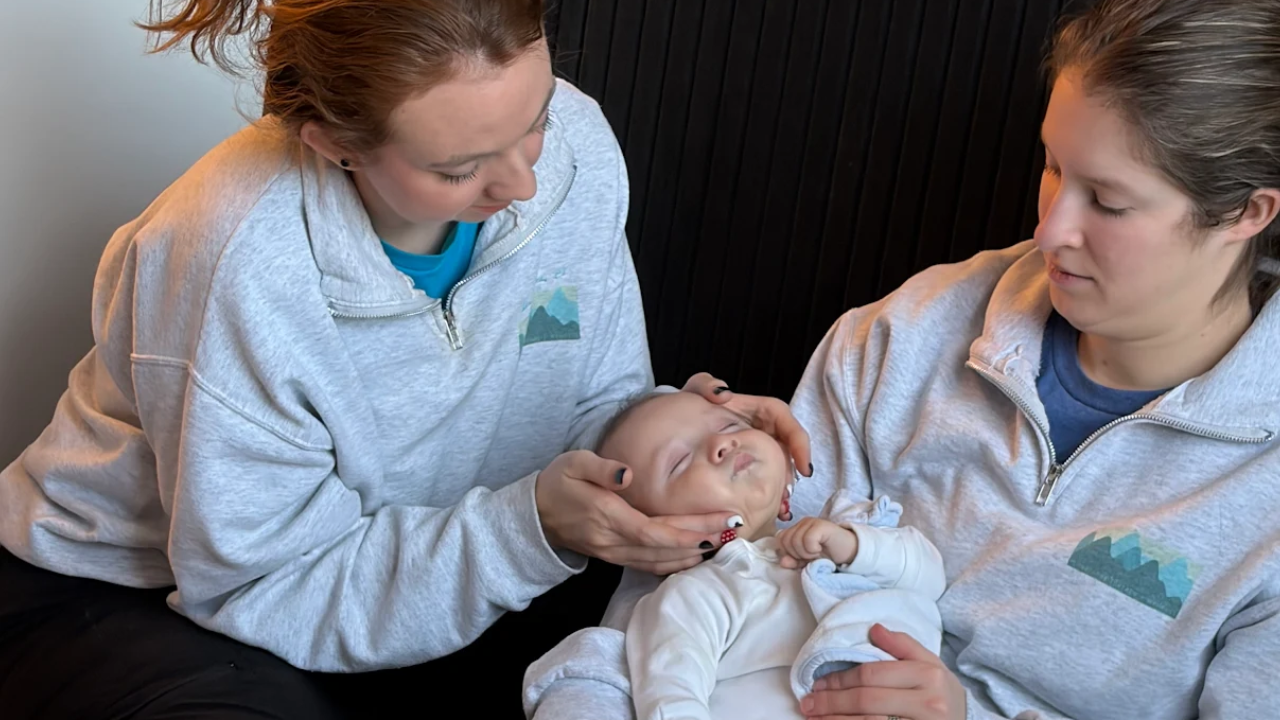
If you've heard one of our therapists mention bodywork, you may have wondered, "What exactly does that mean?"
It's a great question! While bodywork may sound intimidating, it's actually a gentle, hands-on approach that helps improve how a child's body moves, responds, and functions. At MTW, our therapists use bodywork as one piece of a comprehensive treatment plan to support babies and children with feeding challenges, tethered oral tissues (tongue ties and lip ties), motor delays, sensory processing differences, and overall movement development.
Our owner and PT, Dr. Cheyenne, as well as one of our occupational therapists Jessica, have both completed specialized training in Susan Vaughan Kratz's Pediatric Bodywork approach, allowing us to provide evidence informed, gentle techniques designed specifically for infants and children.
So...What Is Bodywork?
Bodywork is a gentle, hands-on treatment approach that helps release tension, improve mobility, and support the body's natural movement patterns.
Throughout pregnancy, birth, and infancy, babies experience many physical demands. Positioning in the womb, birth interventions, muscle tightness, torticollis, reflux, prolonged positioning, or simply developing movement patterns can all influence how a baby's body functions.
When parts of the body aren't moving efficiently, babies often compensate in other ways. These compensations may show up as:
- Difficulty latching or staying latched during feeding
- Head-turning preference or difficulty looking both directions
- Arching or stiffness
- Trouble coordinating sucking, swallowing, and breathing
- Difficulty tolerating tummy time
- Challenges with rolling, crawling, or other motor milestones
- Increased fussiness or difficulty settling
- Sensitivity to movement or touch
Bodywork aims to improve comfort, mobility, and coordination so children can move and function more efficiently.
Why Does Body Tension Matter?
Our bodies work as one connected system.
When there is restriction or tension in one area, other parts of the body often have to compensate. Think about walking with a rock in your shoe...you naturally shift your weight to avoid discomfort. Babies do something similar, although they can't tell us they're doing it.
For example:
- Tightness through the neck may affect feeding positions.
- Restrictions through the jaw can impact sucking patterns.
- Tension through the ribs may make breathing and feeding less coordinated.
- Limited trunk mobility can affect rolling, crawling, and sitting.
- Whole-body tension may influence sensory regulation and body awareness.
Rather than focusing on just one symptom, bodywork looks at how the entire body is working together.
How Can Bodywork Help Babies with Tongue Ties?
Tongue ties are one of the most common reasons families ask about bodywork.
While releasing a tongue tie can improve oral mobility, it doesn't automatically change the movement patterns or muscle tension that developed before the procedure.
Many babies have spent weeks(or even months) compensating for limited tongue movement. They may have developed tightness through the neck, jaw, shoulders, chest, or entire body.
Bodywork before and after a tongue tie release may help:
- Improve overall body alignment
- Support better jaw and tongue movement
- Encourage more efficient feeding patterns
- Improve comfort during breastfeeding or bottle feeding
- Reduce compensatory movement patterns
- Support the transition as babies learn new oral motor skills
It's important to remember that every baby is different. Bodywork is not a substitute for a tongue tie evaluation or release when one is indicated, but it can be a valuable part of a collaborative care plan.
Bodywork and Breastfeeding
Successful feeding involves much more than the mouth.
Babies need coordinated movement throughout their entire body to latch, suck, swallow, breathe, and remain comfortable during feeding.
When body tension limits movement, feeding can become more difficult for both baby and parent.
Bodywork may support babies who experience:
- Painful or shallow latch
- Difficulty maintaining suction
- Frequent clicking while feeding
- Feeding on one side better than the other
- Gassiness or excessive air intake
- Fatigue during feeds
- Difficulty transferring milk efficiently
Bodywork and Sensory Processing
Children who experience sensory processing differences sometimes also carry increased muscle tension or demonstrate difficulty coordinating movement.
Gentle bodywork may help children become more aware of their bodies, improve movement quality, and support self-regulation by promoting comfort and efficient movement.
When combined with physical and occupational therapy interventions, bodywork can complement treatment by helping children:
- Improve body awareness
- Develop postural stability
- Move more efficiently
- Better participate in play and daily activities
- Feel more comfortable exploring movement
How Does Bodywork Fit with DMI?
Our therapists also utilize Dynamic Movement Intervention (DMI) with appropriate clients.
While these approaches are different, they complement each other beautifully.
Bodywork helps improve mobility, reduce restrictions, and prepare the body for movement. DMI then builds upon that foundation by encouraging active movement, postural control, strength, balance, and motor development.
Together, they allow us to address both the quality of movement and the child's ability to actively use those new movement patterns during everyday activities.
What Does a Session Look Like?
Parents are often surprised by how gentle pediatric bodywork is.
Sessions may include:
- Gentle hands-on techniques
- Guided movement and positioning
- Play-based interaction
- Parent education
- Home strategies to continue progress between visits
Our goal is always to help children feel safe, comfortable, and supported while encouraging more efficient movement.
Is Bodywork Right for My Child?
Bodywork may benefit infants and children experiencing:
- Tongue ties or other tethered oral tissues
- Breastfeeding or bottle-feeding challenges
- Torticollis or head preference
- Plagiocephaly (flat head)
- Motor delays
- Muscle tightness or asymmetries
- Sensory processing challenges
- Difficulty with transitions between developmental milestones
Supporting the Whole Child
At MTW, we believe that children thrive when we look beyond individual symptoms and consider the whole body.
Whether your baby is working through feeding challenges, preparing for a tongue tie release, developing new motor skills, or navigating sensory differences, our goal is to help them move more comfortably, feed more efficiently, and participate more fully in everyday life.
Sometimes small changes in how the body moves can make a big difference in how a child eats, plays, learns, and grows.
If you're wondering whether bodywork may be appropriate for your child, we'd love to answer your questions and help determine the best next step for your family.
Want to stay updated?